
I've been working with Terraform for a while now — provisioning infrastructure, managing state, and automating deployments across cloud environments. It's become a core part of how I work. But I realized that hands-on experience alone wasn't enough. I wanted to validate my skills, fill in any knowledge gaps, and earn the credential to back it up.
That's when I decided to pursue the HashiCorp Terraform Certification.
To keep myself accountable, I joined the 30-Day Terraform Challenge organized by the HashiCorp User Group in Yaoundé. Not to learn Terraform from scratch, but to structure my study plan, revisit concepts I might have glossed over, and share the journey with others in the community.
This blog series is a record of that process — what I'm studying, what surprises me, and what I'd recommend to anyone preparing for the exam.
Why Pursue the Certification?
If you already use Terraform day to day, you might wonder whether a certification is worth the effort. Here's what pushed me:
- Closing knowledge gaps: I've learned Terraform by doing, which means there are corners of the tool I've never explored. Studying for the exam forces me to dig into areas like workspaces, backends, and module best practices more deeply than a typical project would.
- Professional credibility: Having the certification adds weight when discussing infrastructure decisions with teams, clients, or potential employers.
- Structured review: It's easy to develop habits and assumptions over time. The certification prep is a chance to check those against the official best practices.
What I Already Bring to the Table
This isn't a "what is IaC?" kind of journey. I'm coming in with real-world experience:
- Writing and maintaining Terraform configurations across AWS and other cloud providers.
- Managing remote state, handling state locking, and resolving state drift.
- Working with modules, variables, outputs, and provisioners in production environments.
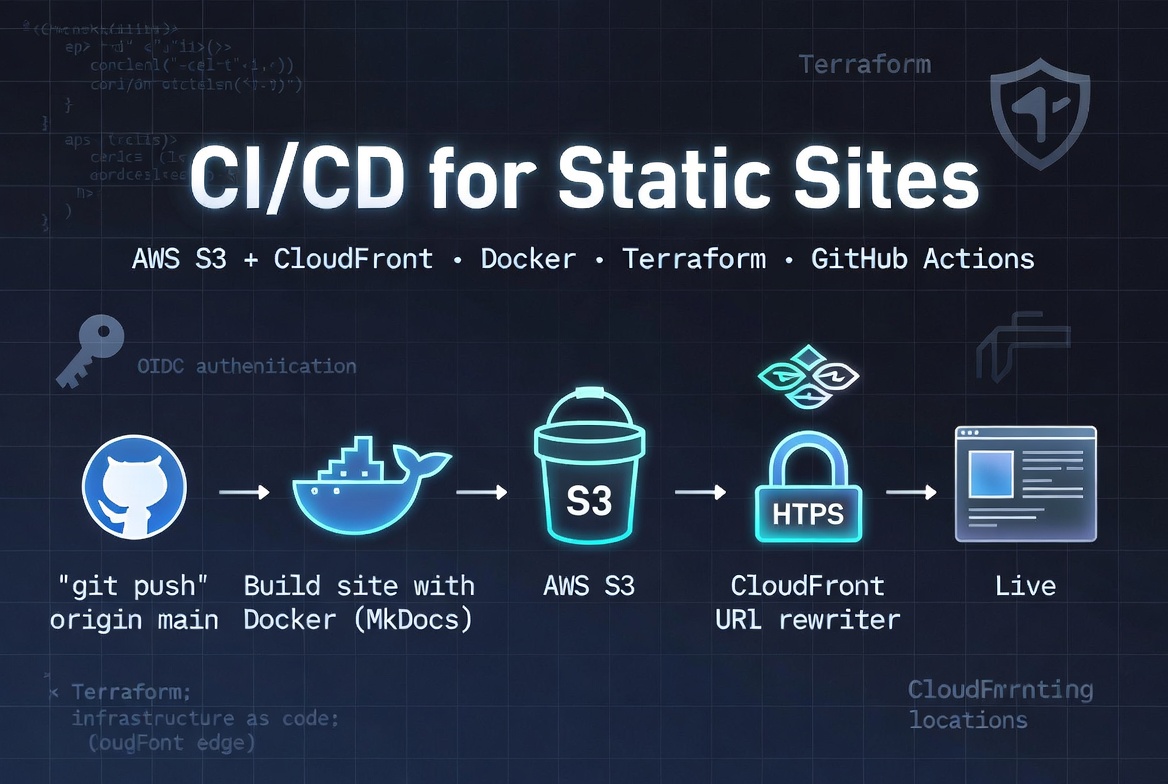
- Integrating Terraform into CI/CD pipelines for automated deployments.
The goal now is to sharpen that knowledge, formalize it, and make sure I can confidently answer anything the exam throws at me.
My Study Plan
Rather than starting from zero, I'm focusing my preparation on the areas the certification actually tests. Here's how I'm approaching it:
Reviewing the Exam Objectives
HashiCorp publishes a clear list of exam objectives. I'm using that as my roadmap — checking off what I already know well and flagging topics that need more attention.
Hands-On Labs
Reading documentation is useful, but nothing beats running terraform plan and seeing what happens. I'm setting up small, targeted labs to test specific concepts — things like sentinel policies, workspace strategies, and import workflows.
Community and Accountability
The 30-Day Challenge organized by our HashiCorp User Group - Yaounde gives me a built-in study group. Discussing concepts with other practitioners helps reinforce what I know and exposes me to approaches I hadn't considered.
Check out the public repository of exercises here: https://github.com/chiche-ds/30-Day-Terraform-challenge-
Sharing as I Go
Writing about what I'm studying forces me to understand it well enough to explain it. Each post in this series will cover a specific topic or exam area, with practical examples and honest takeaways.
The Journey Ahead
Over the next 30 days, I'll be working through the certification material and sharing my progress in this blog series under this terraform blog category. Expect posts on topics like Terraform state management, module design patterns, provider configuration, and exam strategies.
If you're already comfortable with Terraform and thinking about the certification, I hope this series gives you a useful reference point. And if you're in the middle of your own prep, I'd love to hear what's working for you.
Let's Connect
This journey is more fun with company. If you're prepping for the Terraform certification too, drop a comment — what topics are you focusing on? What's been the trickiest part so far?
Stay tuned for the next post as I dive into the first set of exam objectives.
💬 Comments
No comments yet. Be the first to share your thoughts!
Leave a Comment